

Место происхождения:
Китай
Фирменное наименование:
RPS-SONIC
Сертификация:
CE, ISO
Номер модели:
РПС-СОНО20-2 в 1
Свяжитесь с нами
 Видео
Видео
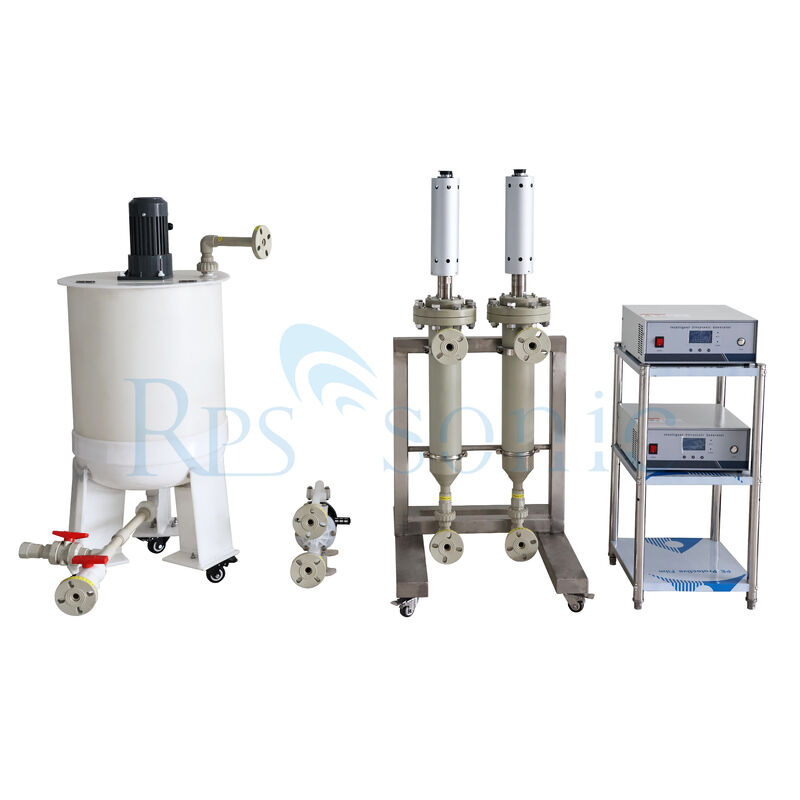
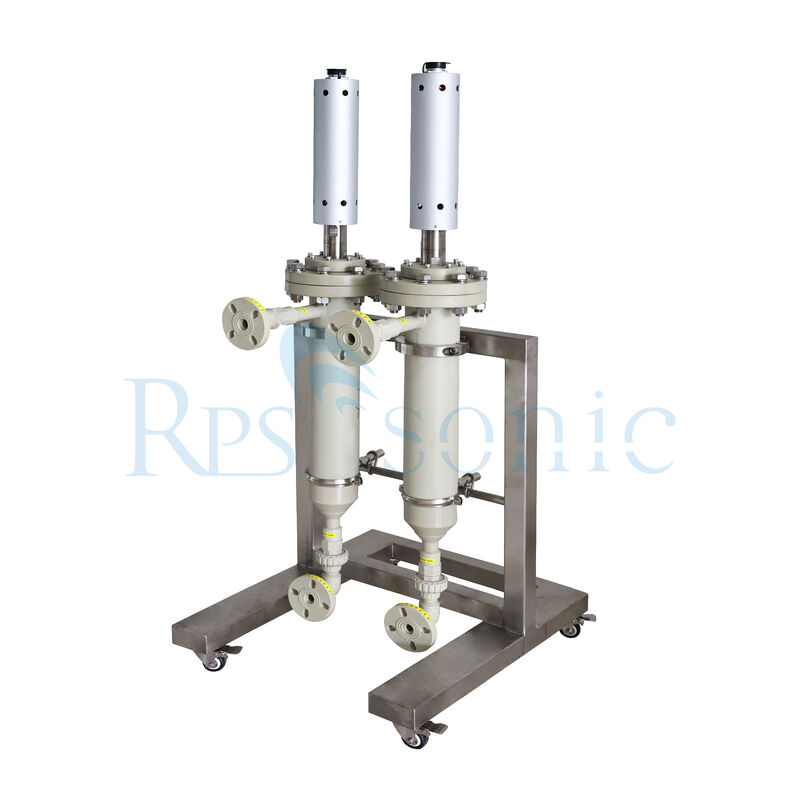
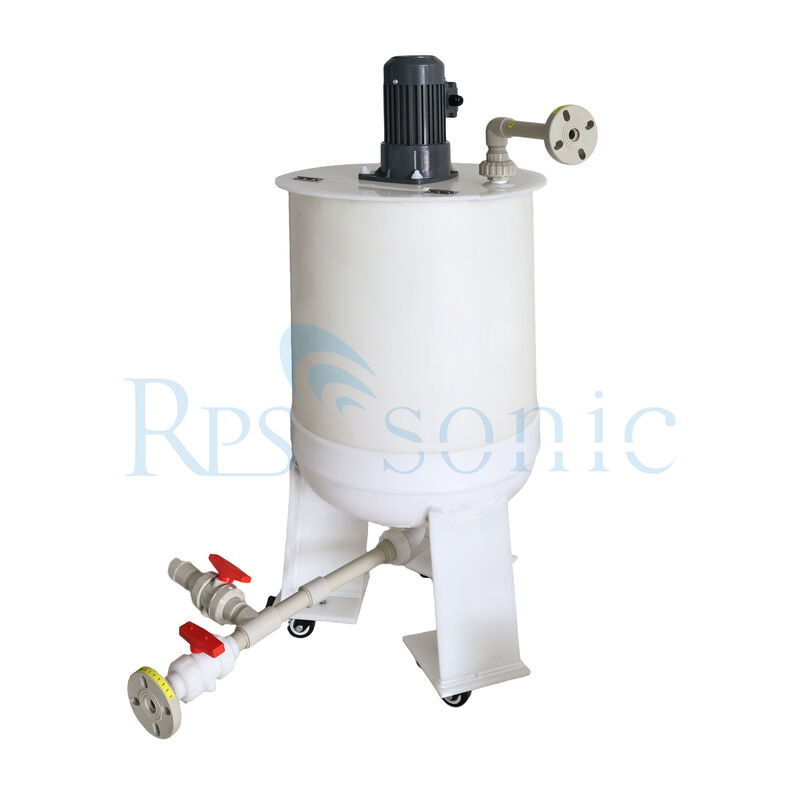
Непрерывно работающая ультразвуковая машина для диспергирования графена, ультразвуковая гомогенизирующая машина
Ультразвуковая диспергирующая машина — это устройство, которое использует высокочастотные ультразвуковые волны для разрушения агломератов частиц, смешивания несмешивающихся жидкостей и создания стабильных, однородных суспензий или эмульсий.
Простое объяснение:
Он использует ультразвуковую кавитацию — крошечные пузырьки образуются и бурно схлопываются в жидкости — создавая сильные ударные волны и микроструи, которые:
Разрушают слипшиеся частицы (графен, углеродные нанотрубки, пигменты, наноматериалы)
Смешивают масло и воду в стабильные эмульсии
Равномерно диспергируют порошки в жидкостях без осаждения
Основные применения:
Диспергирование графена, УНТ, наночастиц
Изготовление чернил, покрытий, суспензий для аккумуляторов
Приготовление эмульсий в косметике, пищевой промышленности
Ключевая структура:
Ультразвуковой генератор
Преобразователь (преобразует электричество в вибрацию)
Зонд / рог (передает вибрацию в жидкость)
Параметр
| Модель | SONO20-1000 | SONO20-2000 | SONO15-3000 | SONO20-3000 |
| Частота | 20±0,5 кГц | 20±0,5 кГц | 15±0,5 кГц | 20±0,5 кГц |
| Мощность | 1000 Вт | 2000 Вт | 3000 Вт | 3000 Вт |
| Напряжение | 220/110 В | 220/110 В | 220/110 В | 220/110 В |
| Температура | 300 °C | 300 °C | 300 °C | 300 °C |
| Давление | 35 МПа | 35 МПа | 35 МПа | 35 МПа |
| Интенсивность звука | 20 Вт/см² | 40 Вт/см² | 60 Вт/см² | 60 Вт/см² |
| Максимальная производительность | 10 л/мин | 15 л/мин | 20 л/мин | 20 л/мин |
| Материал наконечника | Титановый сплав | Титановый сплав | Титановый сплав | Титановый сплав |
Описание
Как это работает (пошагово)?
Генератор машины вырабатывает высокочастотную электрическую энергию (обычно 20 кГц).
Эта энергия подается на преобразователь, который преобразует электричество в высокоскоростную механическую вибрацию.
Вибрация усиливается рогом/зондом и передается в жидкость.
Внутри жидкости происходит ультразвуковая кавитация:
Образуются миллионы крошечных пузырьков
Они быстро растут, а затем бурно схлопываются
Схлопывание создает:
Сильные ударные волны
Высокоскоростные микроструи
Интенсивные сдвиговые силы
Эти силы разрушают агломераты частиц (таких как графен, пигменты или наночастицы) и равномерно смешивают их в жидкости.
Ультразвуковая дисперсия использует кавитацию от высокочастотной вибрации для физического разрушения комков и создания стабильных, однородных смесей.
В последние годы наноматериалы широко используются в различных отраслях промышленности для оптимизации характеристик материалов. Например, добавление графеновой краски в аккумулятор может значительно продлить срок службы аккумулятора, а добавление оксида кремния в стекло может повысить прозрачность и прочность стекла.
Основное содержание нанотехнологий заключается в решении проблемы агломерации наночастиц. Поскольку сами наночастицы очень легко агломерируются, получить отдельные диспергированные наночастицы очень сложно. Как равномерно диспергировать наночастицы в матрице — ключевая технология нанотехнологий.
Для получения превосходных наночастиц требуется эффективный метод. Ультразвуковая кавитация немедленно создает бесчисленные области высокого и низкого давления в растворе. Эти области высокого и низкого давления постоянно сталкиваются друг с другом, генерируя сильную сдвиговую силу, деполимеризуя и уменьшая размер материала. Ультразвуковые волны, используемые для диспергирования наноматериалов, обычно требуют относительно большого звукового давления и ультразвуковой амплитуды. Поэтому в настоящее время чаще используется рожковый тип, то есть зондовый тип.
Рекомендации
1. Если вы новичок в наноматериалах и хотите понять эффект ультразвуковой дисперсии, вы можете использовать лабораторные материалы мощностью 1000 Вт / 1500 Вт.
2. Если вы являетесь малым или средним предприятием, которое обрабатывает менее 5 тонн жидкости в день, вы можете выбрать добавление ультразвукового зонда в реакционный сосуд. Вы можете использовать зонд мощностью 3000 Вт.
3. Если это крупное предприятие, которому необходимо ежедневно обрабатывать десятки или даже сотни тонн жидкости, потребуется внешняя ультразвуковая циркуляционная система. Несколько комплектов ультразвукового оборудования могут одновременно обрабатывать циркуляцию для достижения желаемого эффекта.
Особенности
1. Уникальная конструкция фокусирующей головки инструмента, более высокая концентрация энергии, большая амплитуда и лучший эффект гомогенизации.
2 Процесс ультразвуковой обработки может контролироваться, поэтому конечный этап дисперсии также контролируется, тем самым значительно снижая повреждение компонентов раствора.
3 Может диспергировать материалы до нанометрового уровня и обрабатывать высоковязкие растворы. Оборудование может быть оснащено ПЛК-управлением, что упрощает эксплуатацию и повышает точность эффекта
Отправьте ваше дознание сразу в нас

